
Regular Maintenance Tips for Locks and Handles to Extend Their Lifespan
Locks and handles rank among the most frequently used elements in any home. However, they often receive the least attention when it comes to maintenance. Usage facts confirm that these components endure constant exposure to dust, humidity, and friction, which may lead to early wear or failure. Therefore, ELEVO offers a set of practical tips for the periodic care of your locks and handles, ensuring optimal performance and lasting beauty for years.
Regular Cleaning: The First Step Toward Protection
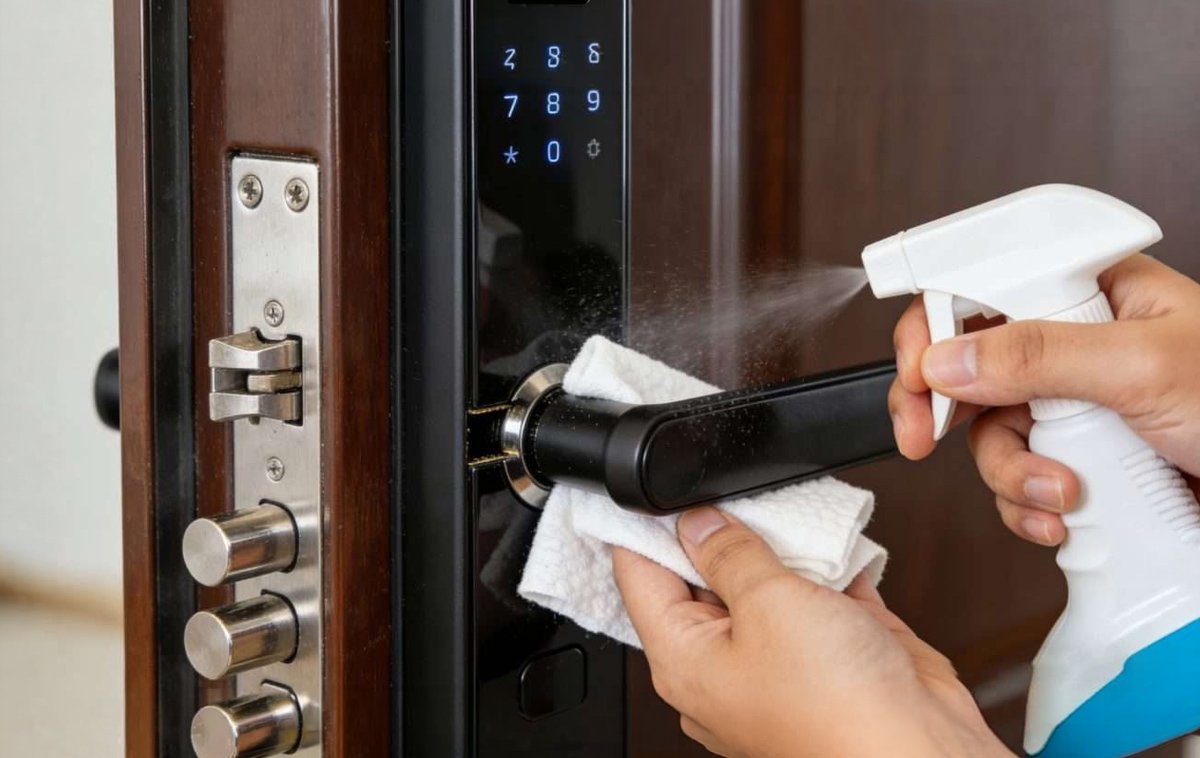
First, accumulated dust and dirt remove the natural protective layers of metal surfaces. Professionals recommend using a soft, dry cloth to wipe surfaces weekly. Furthermore, you can use a slightly damp cloth with warm water and mild soap to clean stubborn stains. However, avoid abrasive materials or acidic cleaners entirely, because they scratch rare finishes such as satin brass and aged bronze. In addition, dry all surfaces thoroughly after cleaning to prevent moisture buildup that causes rust.
Lubricating Mechanical and Smart Locks
Second, the moving parts inside a lock require periodic lubrication to operate smoothly. Users apply dry graphite spray or silicone oil specifically designed for locks. You should spray a small amount inside the keyhole, then insert the key and turn it several times to distribute the lubricant. Experts warn against using ordinary oils or thick greases, because they attract dust and cling to it, increasing friction instead of reducing it. For smart locks, the user checks the electrical contact points and ensures they stay dry; additionally, compressed air cleans the fingerprint sensor from trapped dust.
Checking Screws, Hinges, and Tightening Connections
Third, the screws that secure handles and locks gradually loosen from daily door vibrations. Therefore, a person inspects all visible screws every six months using an appropriate screwdriver and retightens them gently without over‑tightening, so as not to damage the wood. Similarly, the user checks hinges (and closers) for squeaking sounds and lubricates them using the same method mentioned earlier. ELEVO reminds you that high‑strength, durable hinges need less care, but regular inspection still extends their life.
Caring for Smart Locks: Batteries and Updates
Fourth, ELEVO’s smart locks rely on batteries that require monitoring. You should replace batteries immediately when a low‑power alarm sounds, and never leave dead batteries inside the lock because they may leak and damage electronic circuits. Also, you must constantly update the firmware through the dedicated application, because updates close security gaps and improve performance. Finally, for this point, the user tests alternative entry methods (PIN code, fingerprint, emergency mechanical key) every month to ensure they work correctly.
When to Call the Experts?
Finally, if you notice difficulty turning the key despite lubrication, unusual noises from the lock, or a slow response from the smart lock, do not try to force the lock open by yourself. Contact immediately ELEVO’s specialized technical support team; they have the tools and expertise to repair the product without damaging it.
In conclusion, simple periodic maintenance extends the life of locks and handles for decades. By following these practical tips, you preserve your home’s security and the beauty of its details with minimal effort and cost.